
Why Afghan women?
Why Afghan women
Why Afghan women?
Why does AA+ focus on Afghan women?
Low literacy → loss of independence → barriers to services/employment → AA+’s targeted response
Afghan women have faced extraordinary obstacles in Afghanistan, and those we have welcomed to the U.S. now encounter distinct challenges here in Washington, one of the nation’s leading refugee resettlement states. Few programs are designed for women with pre-literate or low-literacy backgrounds. Without basic literacy and numeracy skills—and the confidence to navigate independently, often for the first time—our public transportation system can be nearly impossible to use. These barriers limit access to social services, education, employment, and other resources in their communities.
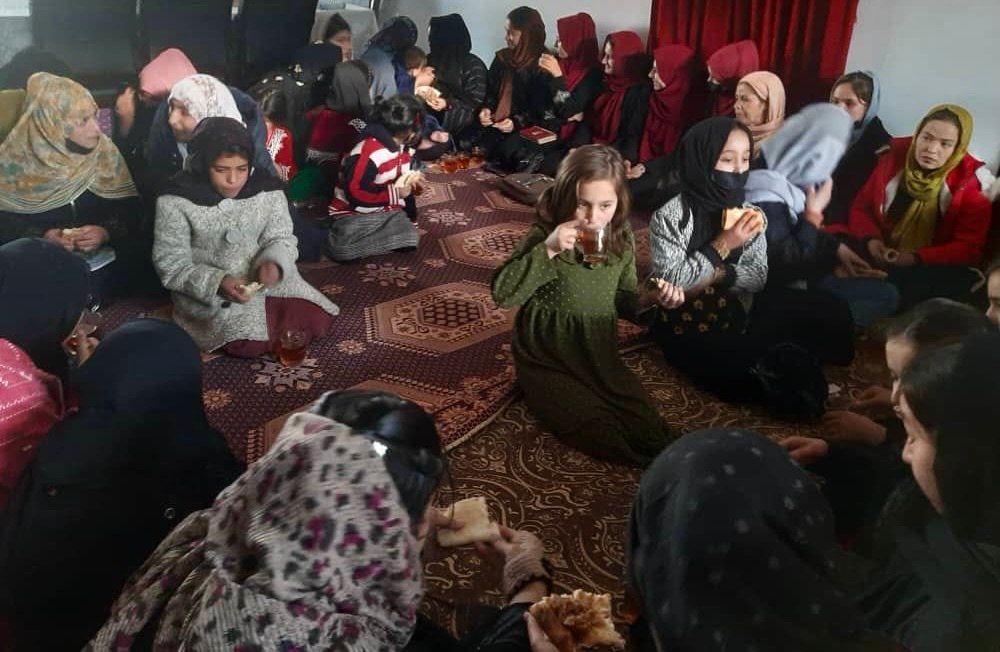
AA+ addresses this gap through culturally specific, trauma-informed programming designed by Afghan women for Afghan women. Programming teaches practical skills for navigating their new environment, including shopping, transportation, and schools, while building foundational literacy and numeracy skills. These skills enable women to access mainstream English-language classes and pursue educational and employment opportunities, helping them build greater independence and participate more fully in their communities.
WE INVITE YOU TO READ MORE TO UNDERSTAND THEIR UNIQUE PLIGHT to “Explore the History and Challenges Facing Afghan Women”
imagine
Imagine
IMAGINE if your smartphone was gibberish and you couldn’t use Google translate? That is what an illiterate person experiences, never having learned to read, write, or understand numbers in any language. Now IMAGINE arriving in a country where literacy, smartphones, and the internet are essential to daily life.
IMAGINE living without freedom of movement. Using public transportation requires literacy and confidence to use schedules, maps, and money. What if you were like ~95% of Afghan women who never learned to drive? IMAGINE feeling trapped, yet unsafe to travel alone. How do you find the courage to go outside if you don’t know your own address to make it home?
IMAGINE feeling chronic loneliness and isolation, increasing the risk of severe physical and mental health issues, comparable to smoking 15 cigarettes a day. IMAGINE simply trying to survive in a new country after years of trauma, fear, and uncertainty.
IMAGINE trying to grocery shop if throughout your life you only went shopping with a male family member, then needed to go alone for the 1st time in a new country, not knowing the language. Your husband is working, your older children are at school, public spaces feel overwhelming. How do you navigate unfamiliar foods, prices, sale signs, or shopping apps when you cannot read or understand numbers?
IMAGINE navigating healthcare in the U.S., such as making a pre-natal appointment or getting a sick child to the doctor without knowing the personal information needed for intake forms or the vocabulary to describe symptoms. Many community services don’t reach individuals who cannot complete forms, navigate transit, or secure childcare.
IMAGINE enrolling your children in school or activities and trying to communicate with their teachers when you don’t understand or speak English, or have basic digital literacy to interface with school systems or provide personal information.
IMAGINE wanting nothing more than to solve your own problems and contribute to your new community but you haven’t yet had the opportunity to learn foundational literacy skills—such as writing or sounding out letters—needed to participate in Community College ESL classes.
IMAGINE overcoming all these barriers by participating in Afghan Advantage programs designed and led by Afghan women and your new Washington neighbors.
IN THEIR OWN WORDS
Exceptional Stories Exceptional Resilience
Manizha, computer programmer and Afghan Advantage Board member
“You’ve hit on an incredibly painful but profound reality. When you ask how it feels to be stopped in your tracks by gender apartheid—it is a grief that is hard to put into words. It feels like having your future, your autonomy, and your basic human rights stripped away overnight.”
Parwin, AA+ Program Director, former Monitoring and Evaluation Specialist, USAID-funded Musharikat Project
“Growing up in Afghanistan, I witnessed firsthand the barriers women and girls face. Millions have been denied education and opportunities to participate in public life; many have never learned to read or write, and some do not even know their date of birth because they were never officially registered. Having been fortunate to access education and professional opportunities myself, I view that privilege as a responsibility to advocate for women whose voices are often unheard and to help them gain the confidence, knowledge, and opportunities to build better futures.”
Fatima, AA+ Technology Specialist and David Noriega, National Correspondent for MSN Now, November 2025.
“I remember the day the Taliban came. I was outside – I was getting my transcript…People were afraid – I didn’t know what had happened. The guy in the transcript office said “You should go.” They closed the office. I came out to the road – all of the people were running – students, shopkeepers, everyone, crashing into each other. I ran and tripped…I heard the Taliban has come.”
Marzia and Razia
Marzia and Razia came to the U.S. in 2019 and in this article, they talk about what it was like to adjust to a new country, learn to communicate, take buses, drive a car, find jobs, and feel like they “can do anything.”
Read full article here
Atika, business owner & AA+ board member
“My dream was to open my own business…now I employ women here in Washington and back in Afghanistan.”
Inspiring full story coming soon
Atika, business owner & AA+ board membe
The Seattle Channel, in partnership with Afghan Advantage, created an 18-minute documentary on our staff and students’ experiences.
COMING THIS FALL
TIMELINE
Afghanistan school girls: A History of Progress, Restriction, and Perseverance.
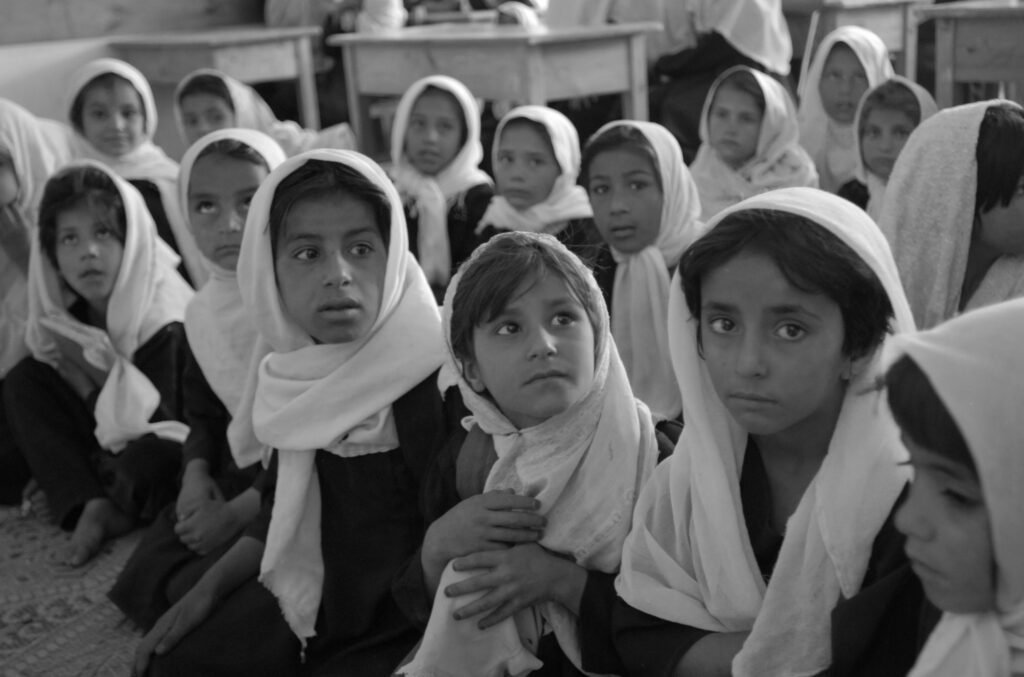
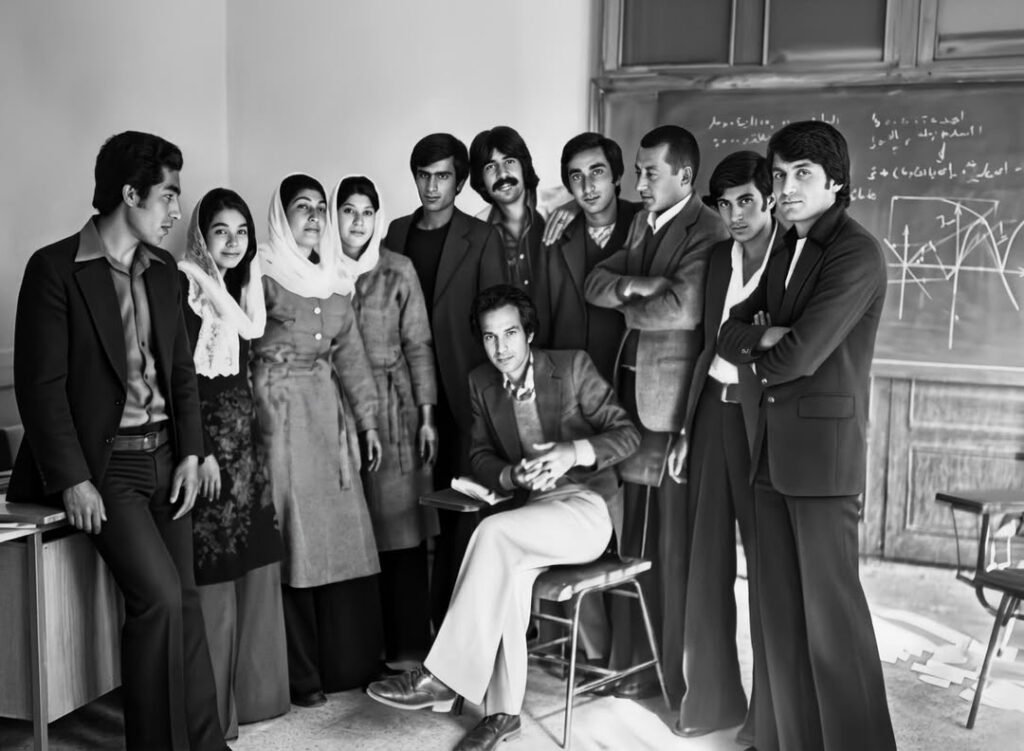
1950s - 1970s
Afghanistan experienced modernization, secular education, and growing professional opportunities, particularly in cities, while rural areas remained largely traditional, agrarian, and poor. In 1957, restrictions on women appearing in public without the traditional veil were lifted, marking an early step toward greater social participation. The 1964 Constitution established equal rights for men and women, and women increasingly gained access to education, employment and political life. These gains were concentrated in urban areas, however, while rural and conservative communities changed more slowly. Women remained significantly underrepresented in literacy, but by the 1970s they comprised a substantial share of university students. See more images from Afghanistan in this era.
1978 - 1996
The Marxist coup, Soviet invasion, and ensuing civil war profoundly disrupted women’s lives. While the communist government promoted women’s education and employment, its policies and the war provoked resistance, displacement, and widespread violence. More than a million Afghans were killed and millions displaced, destroying schools, communities, and economic opportunities. Women and girls faced displacement, insecurity, sexual violence, and reduced access to education and healthcare. After the 1989 Soviet withdrawal and the collapse of the Soviet-backed government in 1992, fighting among Mujahideen factions further devastated the country. Although women’s rights varied by region and faction, some Mujahideen factions promoted increasingly conservative interpretations of women’s roles, and war, insecurity, and displacement sharply curtailed women’s and girls’ access to education, work, and public life.
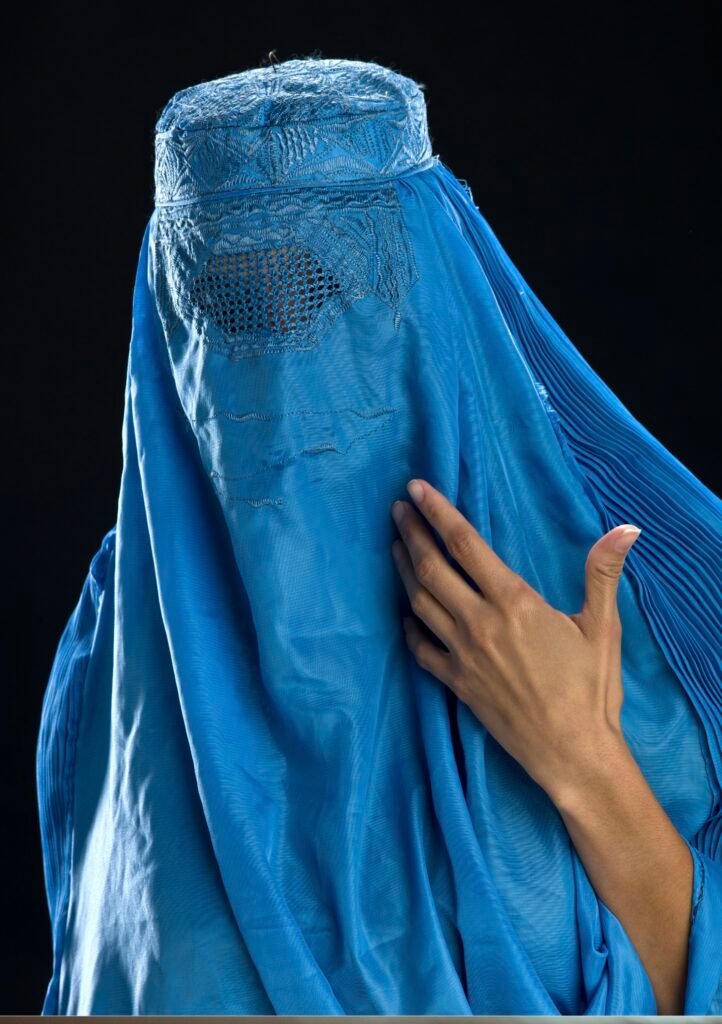
1996 - 2001 (First Taliban Rule)
The Taliban captured Kabul in September 1996, promising to restore order after years of civil war, but imposed sweeping restrictions on women and girls, including severe limits on education, employment, movement, and participation in public life—reversing many of the gains made over the preceding decades. Women were required to wear the burqa, and could not leave home without a male chaperone in many circumstances, and faced severe restrictions on accessing healthcare.
2001 - 2021
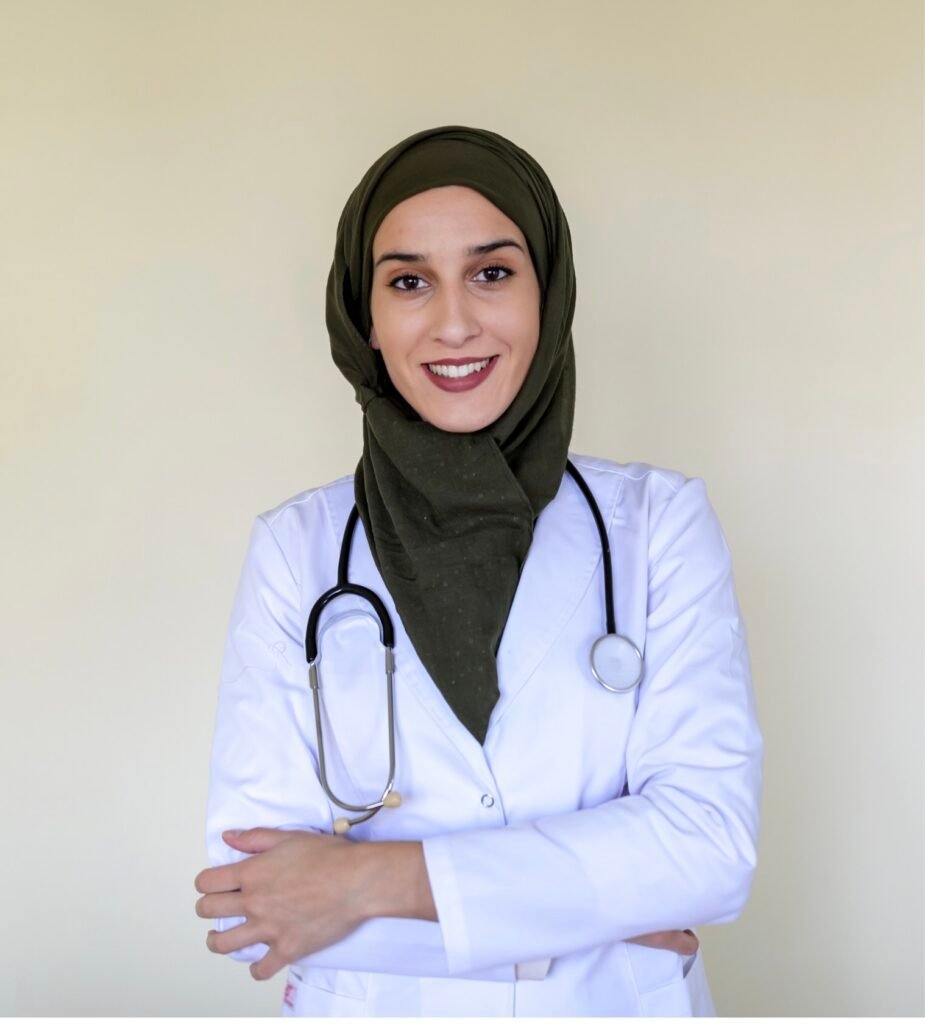
The Taliban were ousted, and women and girls regained access to schools, universities, and the workforce when allowed, with women also securing parliamentary seats and positions in the judiciary. The 2004 Afghan Constitution guaranteed equal rights for men and women. Total school enrollment grew from ~1 million students in 2001, when very few were girls, to 10 million by 2020, with girls comprising ~40%. The number of female university students increased twenty-fold, female literacy rose from ~17% to nearly 30% and nearly 1 million girls were enrolled in secondary school by 2021.
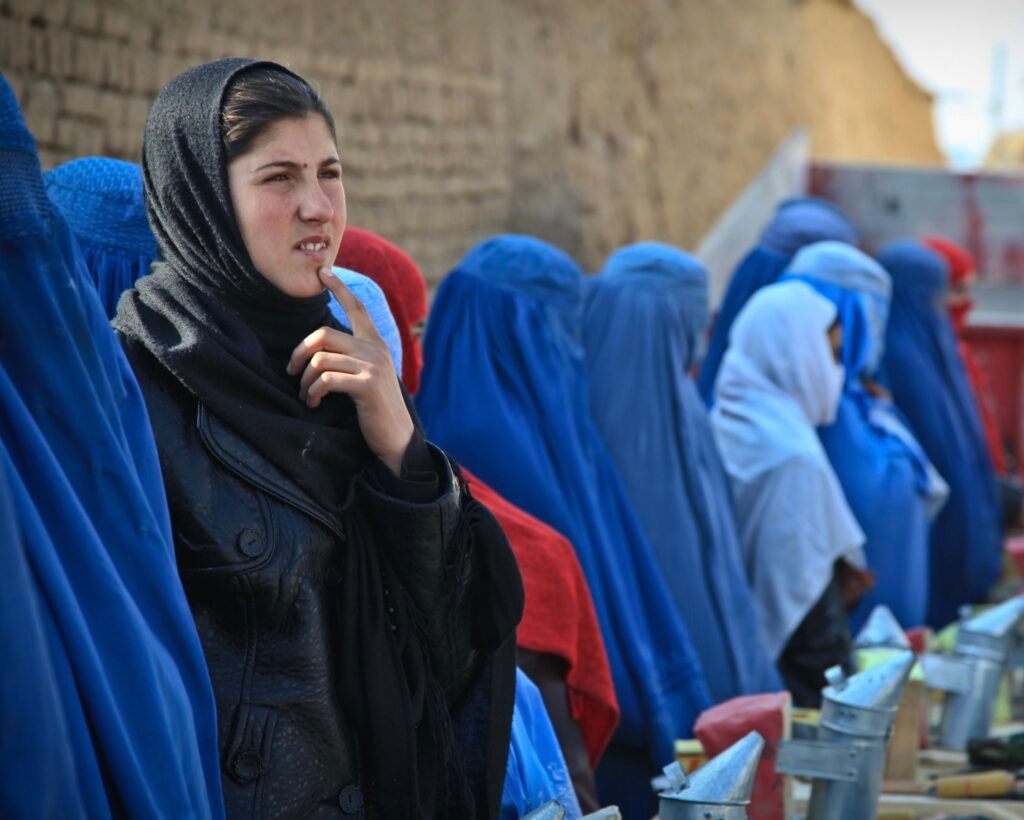
August 2021 - Present (Return of the Taliban)
The Taliban’s return to power in August 2021 brought a sweeping reversal of rights for women and girls. Through dozens of decrees and restrictions, the Taliban have systematically excluded women and girls from public life. Girls are barred from secondary school and higher education, leaving millions without access to education; women face severe restrictions on employment, movement, dress, and access to public spaces such as parks and gyms. Women have also been prohibited from speaking, singing, or making their voices heard in public in certain circumstances. Reports document increased risks of forced and child marriage and violence against women. The Taliban’s policies have been described by human rights organizations and UN experts as systematic gender persecution and, increasingly, as gender apartheid.
IMMIGRANTS ARE CRITICAL FOR ECONOMIC GROWTH AND NATIONAL SECURITY
Washington’s economy is strengthened by our new neighbors
Immigrants boost our economy by expanding and filling critical labor force gaps. Their consumer spending and tax contributions generate strong revenue that helps sustain vital public systems like Social Security.
Afghans have a unique immigration pathway. Why?
20 years of service
Our Afghan allies worked alongside the U.S. for 20 years to defeat and undermine the Taliban. Now they are being persecuted for it.
A promise made
The U.S. made a commitment to provide safety and legal pathways to residency or citizenship for Afghan nationals who supported us during the long conflict, through the Special Immigrant Visa (SIV) program.
Thoroughly vetted
Afghan allies underwent extensive security screening and are among the most thoroughly vetted people admitted to the U.S.
Learn more about America’s promise to our Afghan allies across 5 presidential administrations.